AI Talking Avatar: Transforming Digital Interaction
Imagine interacting with a digital character that talks, understands, and responds just like a human being. This is the promise of the AI talking avatar, a technology set to revolutionize how businesses and individuals communicate online. This guide explores the mechanics, benefits, limitations, and practical applications of AI talking avatars, ensuring you have a comprehensive understanding of their potential in various fields.
What is an AI Talking Avatar?
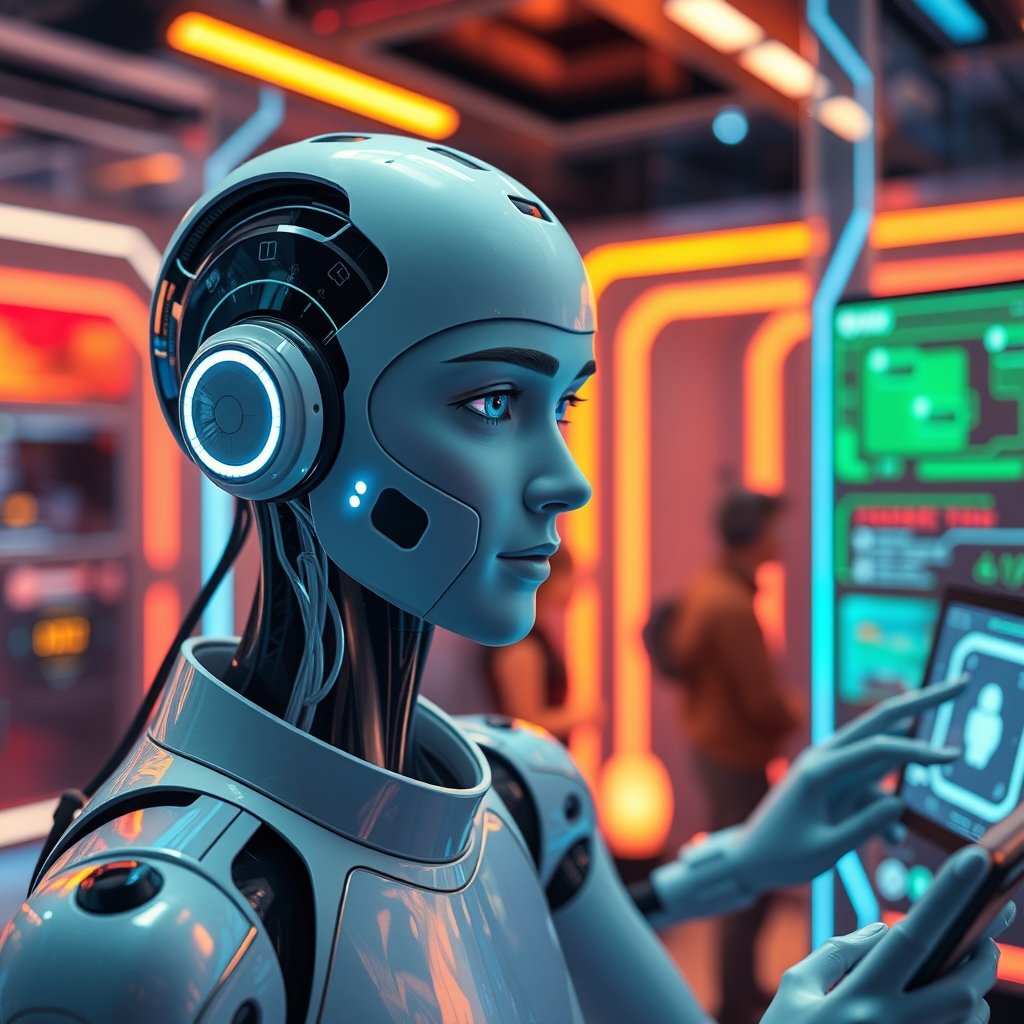
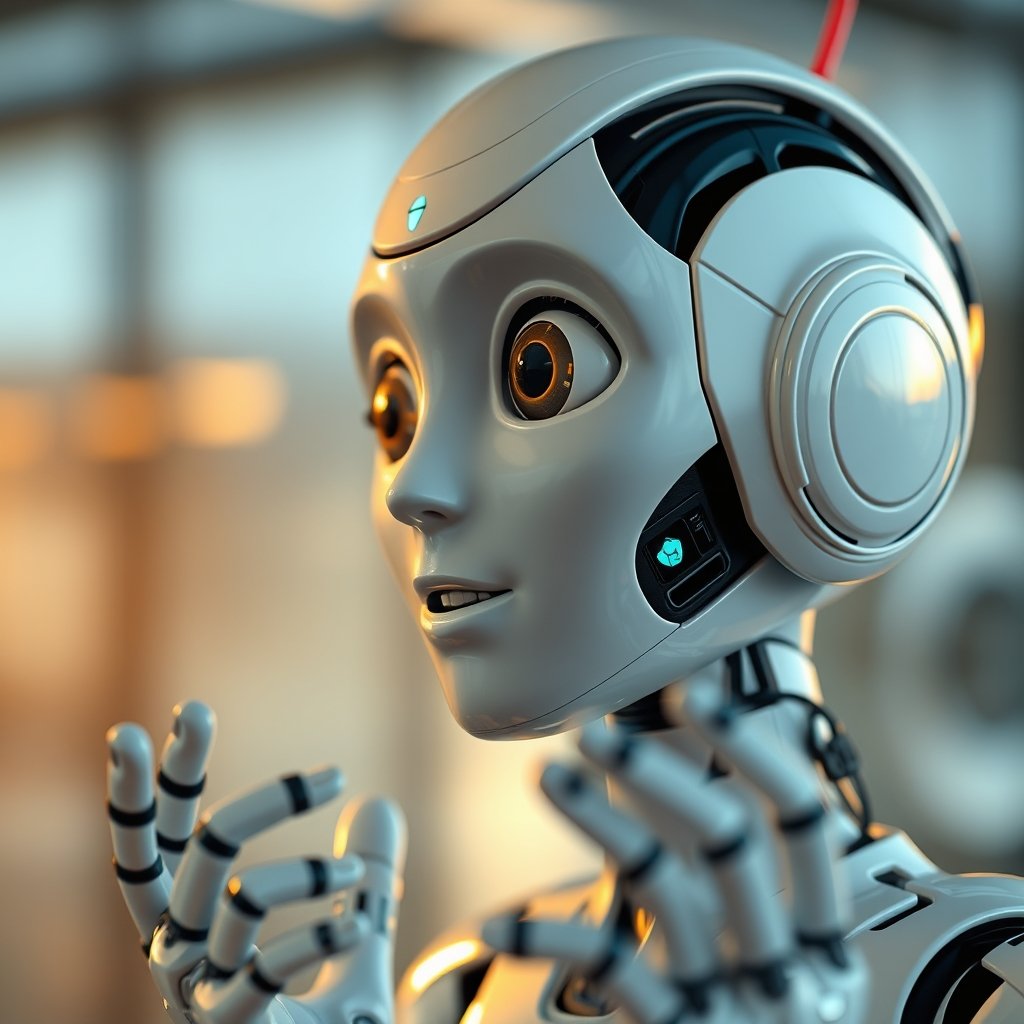
An AI talking avatar is a virtual character powered by artificial intelligence that mimics human speech and behavior. These avatars can be fully animated and programmed to interact in real-time with users. They utilize natural language processing (NLP) and machine learning algorithms to understand and generate human-like responses. This technology finds applications across numerous sectors, including customer service, education, and entertainment.
AI talking avatars can range from simple chatbots that provide text-based responses to advanced 3D models that can express emotions and engage in complex conversations. Their versatility makes them valuable tools for enhancing user engagement and improving communication efficiency.
How Do AI Talking Avatars Work?
The functionality of an AI talking avatar relies on several key components:
- Natural Language Processing (NLP): This allows the avatar to understand and interpret user input, whether spoken or typed. For instance, when you ask a question, the avatar processes the words and context to respond appropriately.
- Speech Synthesis: This technology converts text into speech, enabling the avatar to ‘speak’ to the user. Imagine a friendly virtual assistant reading your emails aloud or narrating a story to a child.
- Animation and Graphics: High-quality rendering techniques create lifelike avatars that can mimic human expressions and movements. Picture a virtual character nodding or smiling in response to your comments, making the interaction feel more personal.
- Machine Learning: The avatar learns from interactions to improve its responses over time, making conversations feel more natural. For example, if you frequently ask a certain type of question, the avatar can adapt its responses to match your style or preferences.
These elements work together to create a cohesive experience where the avatar can engage in meaningful dialogue, enhancing the user’s experience.
Why AI Talking Avatars Matter
The significance of AI talking avatars extends beyond mere novelty. They play a crucial role in enhancing interactions across various sectors. For businesses, they can act as virtual customer service representatives, providing 24/7 support and quickly addressing customer concerns. This not only increases efficiency but also improves user satisfaction. A personal anecdote: I once contacted a customer support avatar late at night for help with a billing issue. Not only was I able to resolve my problem swiftly, but the avatar’s conversational tone made me feel valued as a customer.
In education, AI talking avatars can serve as personalized tutors, offering tailored explanations and interactive learning experiences. This adaptability ensures that students receive the support they need, when they need it. For instance, a student struggling with math concepts could engage with an avatar that explains problems step-by-step, making learning more digestible.
Moreover, the entertainment industry can leverage these avatars to create immersive experiences in gaming and interactive storytelling, engaging users like never before. Think of video games featuring avatars that can interact with players in real-time, responding to their decisions and actions, thus enhancing the overall gaming experience.
Challenges and Limitations
Despite their advantages, AI talking avatars face several challenges. One major limitation is the technology’s ability to understand context and nuance in conversation. While NLP has advanced considerably, avatars can sometimes misinterpret phrases or fail to grasp humor and sarcasm. For example, if you say something sarcastic, the avatar might respond literally, leading to confusion.
Additionally, the ethical implications of using AI talking avatars cannot be overlooked. Concerns about privacy, data security, and the potential for misuse in misleading or deceptive practices are significant. Developers must prioritize transparency and ethical guidelines to foster trust among users. A case study of a company that faced backlash due to a poorly designed avatar highlights the need for careful consideration in deployment.
Advantages of AI Talking Avatars
AI talking avatars offer numerous advantages that can significantly enhance user engagement and operational efficiency. Here are some of the key benefits: AI Research Paper Helper: Your Ultimate Guide to Success
- 24/7 Availability: Unlike human agents, AI avatars can operate around the clock, ensuring users always have access to assistance. Whether it’s the middle of the night or a busy afternoon, help is just a click away.
- Cost Efficiency: Implementing AI talking avatars can reduce operational costs by minimizing the need for extensive customer service teams. For many businesses, this leads to significant savings that can be redirected to other areas.
- Personalization: These avatars can be programmed to adapt their responses based on user data, providing a tailored experience that increases satisfaction. For example, a returning customer might receive greetings that reference their previous interactions, enhancing the personal touch.
- Scalability: Businesses can scale their operations without significantly increasing overhead costs, as AI avatars can handle numerous interactions simultaneously. During peak times, such as holiday seasons, this capability becomes invaluable.
These advantages make AI talking avatars an attractive solution for various applications, from customer service to education and beyond.
Best Practices for Implementing AI Talking Avatars
Integrating AI talking avatars into a business strategy requires careful planning and execution. Here are some best practices to consider:
- Define Objectives: Clearly outline what you aim to achieve with the avatar, whether it’s improving customer service, personalizing user experiences, or providing educational support. For example, a company might set specific KPIs to measure the avatar’s performance in resolving customer issues.
- Choose the Right Technology: Select an AI platform that aligns with your goals and offers the features necessary for your avatar’s intended function. Researching various platforms can help you find one that suits your requirements best.
- Test and Iterate: Continuously test the avatar’s performance and gather user feedback to make necessary adjustments and improvements. Regular updates can keep the avatar relevant and engaging.
- Prioritize User Experience: Ensure that interactions are intuitive and engaging. Users should feel comfortable communicating with the avatar. Consider user testing to identify pain points in the interaction process.
By following these practices, organizations can maximize the effectiveness of their AI talking avatars and enhance user engagement.
Realistic Expectations for AI Talking Avatars
While AI talking avatars present exciting possibilities, it’s crucial to maintain realistic expectations. Users should understand that, despite advancements, these avatars are not infallible. They may still struggle with complex queries or fail to provide the depth of understanding that a human would offer. For example, during one interaction, I asked an avatar about a sophisticated topic, and it struggled to provide a satisfactory answer, illustrating the limitations of current technology.
Moreover, as technology evolves, the capabilities of AI talking avatars will improve. Continuous advancements in NLP and machine learning will enhance their ability to engage meaningfully with users. Thus, staying informed about developments in this field is essential for organizations looking to leverage this technology effectively. Regularly checking resources like Top AI Study Tools to Enhance Your Learning Experience can keep you updated on the latest trends.
Who Should Use AI Talking Avatars?
AI talking avatars can benefit a wide range of industries. Businesses in customer service can utilize them to manage inquiries efficiently, while educational institutions can employ them to provide personalized learning experiences. The healthcare sector may also find value in using avatars to guide patients through information and services, such as appointment scheduling or health advice.
However, organizations should assess their specific needs before implementation. Companies that require high levels of human interaction may find AI avatars less effective. In such cases, a hybrid approach that combines AI with human support might be more suitable. One educational institution I know of successfully blended human tutors with AI avatars, allowing students to get help whenever they needed it.

Common Mistakes to Avoid
When implementing AI talking avatars, several common pitfalls should be avoided:
- Neglecting User Feedback: Ignoring user input can lead to a subpar experience. Regularly updating the avatar based on feedback is essential. For instance, one company failed to consider user suggestions, leading to high abandonment rates during interactions.
- Overpromising Capabilities: Be transparent about what the avatar can and cannot do. Setting unrealistic expectations can lead to disappointment. A clear FAQ section can help manage user expectations effectively.
- Failing to Provide Human Backup: Always have a human support option available for complex issues or when the avatar cannot assist adequately. This ensures users feel supported and valued.
By steering clear of these mistakes, organizations can enhance the effectiveness of their AI talking avatars and ensure a positive user experience.
Alternatives to AI Talking Avatars
While AI talking avatars offer unique benefits, there are alternative technologies that may also meet user needs. Here are a few options: Discover the Power of an AI Citation Generator
- Chatbots: Text-based chatbots can handle customer inquiries and provide information without the need for an animated avatar. They can be effective for straightforward queries.
- Virtual Assistants: Technologies like Alexa or Google Assistant offer voice-based interactions but may lack the visual representation of avatars. They are great for tasks like setting reminders or playing music.
- Human Agents: In situations where empathy and nuanced understanding are crucial, human support agents remain irreplaceable. Many customers still prefer speaking with a human when dealing with sensitive issues.
Each alternative has its strengths and weaknesses, and organizations should choose based on their specific requirements and user preferences.
Latest Developments in AI Talking Avatars
The field of AI talking avatars is constantly evolving. Recent advancements include improved emotional recognition capabilities, allowing avatars to respond appropriately to users’ feelings. For instance, an avatar that can detect frustration in a user’s voice might escalate the interaction to a human agent. Additionally, integration with augmented reality (AR) and virtual reality (VR) is becoming more common, providing immersive experiences that enhance user engagement.
As these technologies continue to develop, the potential applications for AI talking avatars will expand, paving the way for innovative solutions in various sectors. Staying updated with these advancements ensures that organizations can leverage AI talking avatars effectively.
FAQs
What are AI talking avatars used for?
AI talking avatars are used in customer service, education, healthcare, and entertainment to facilitate communication and enhance user engagement.

How do AI talking avatars improve customer service?
They provide 24/7 support, handle multiple inquiries simultaneously, and offer personalized responses, improving efficiency and user satisfaction.
Can AI talking avatars understand emotions?
Recent advancements allow some avatars to recognize emotional cues and respond accordingly, enhancing the interaction quality.
Are there limitations to using AI talking avatars?
Yes, they can struggle with complex conversations and may not always understand context, leading to potential misunderstandings.
How can organizations implement AI talking avatars?
By defining objectives, choosing the right technology, testing performance, and prioritizing user experience, organizations can effectively implement AI talking avatars.
Key Takeaways
AI talking avatars represent a significant advancement in digital communication, offering unique benefits across various sectors. Understanding their workings, advantages, limitations, and best practices for implementation can help organizations maximize their potential while navigating the challenges they present.
Conclusion
AI talking avatars are more than just a technological novelty; they are a powerful tool for enhancing communication and engagement. While they come with their own set of challenges, the advantages they offer make them a worthwhile investment for businesses and organizations looking to improve their interaction with users. By staying informed about the latest developments and adhering to best practices, organizations can effectively harness the potential of AI talking avatars to transform their operations.
About the Author