Discover the Power of an AI Citation Generator
Creating accurate citations can feel overwhelming, especially with various styles to master. Thankfully, an AI citation generator simplifies this task, offering quick and precise formatting. This guide is designed for students, researchers, and professionals who want to streamline their citation processes. By the end, you’ll understand how these tools work, their advantages, limitations, and best practices for use.
What is an AI Citation Generator?
An AI citation generator is a digital tool that uses artificial intelligence to create citations in various formats, including APA, MLA, Chicago, and others. These generators analyze the input data, such as author names, publication dates, and titles, and produce correctly formatted citations based on established style guidelines. The technology behind these tools has evolved significantly, allowing for accurate and efficient citation generation.
The primary function of an AI citation generator is to save time and reduce errors. Instead of manually formatting each citation, users can input their source information and receive a properly formatted citation in seconds. This not only enhances productivity but also minimizes the risk of plagiarism, as accurate citations are critical in academic and professional writing.
How Does an AI Citation Generator Work?
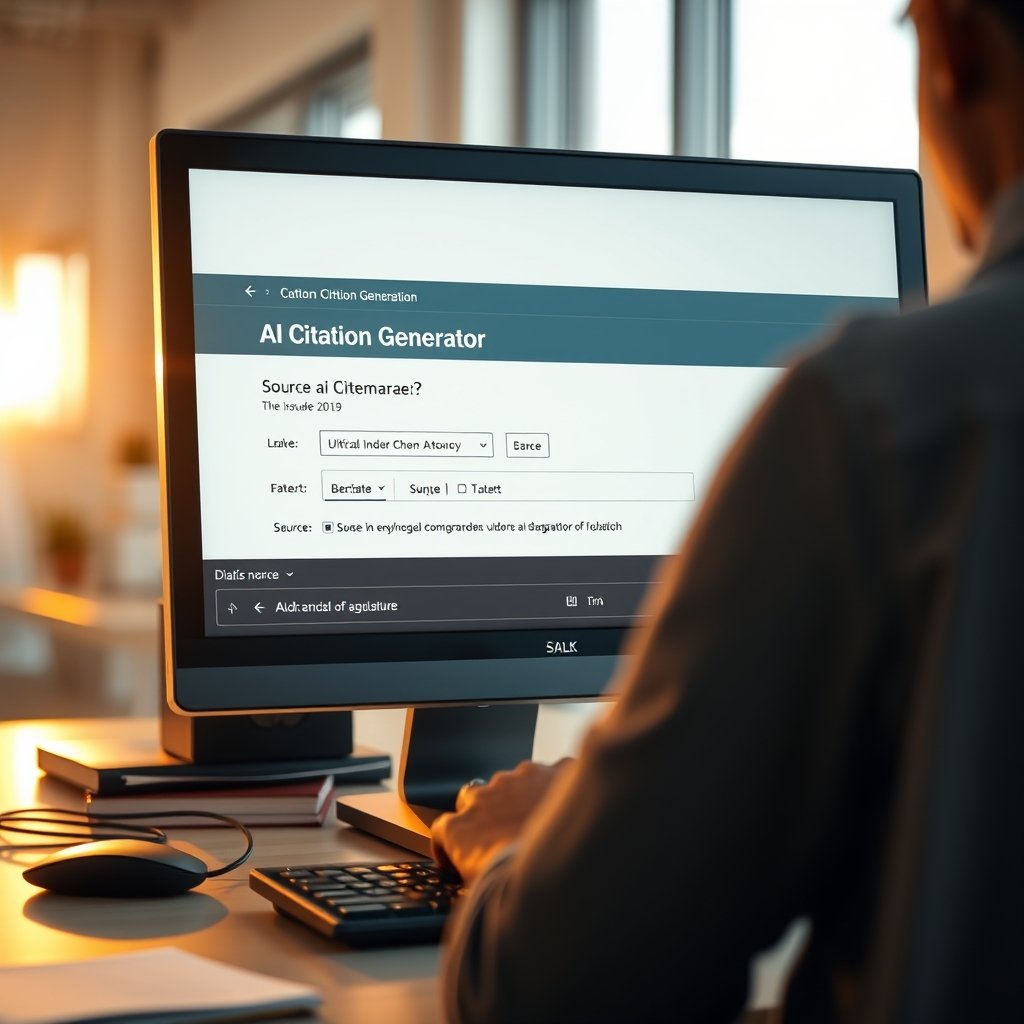
AI citation generators typically function through a user-friendly interface where users can enter the necessary information about their sources. Once the details are filled in, the generator processes the data and applies the appropriate formatting rules for the selected citation style. Most tools also have features that allow you to save, edit, and export citations easily.
Some advanced citation generators use machine learning algorithms to improve their accuracy over time. These algorithms analyze vast amounts of data from scholarly articles, books, and web pages to ensure that the citations they produce meet the latest formatting standards. This continuous learning process is what differentiates high-quality citation generators from basic tools that may not keep up with changes in citation styles.
Why is an AI Citation Generator Important?
Using an AI citation generator is crucial for anyone involved in research or academic writing. It ensures that the sources are correctly cited, which not only bolsters the credibility of the work but also adheres to academic integrity standards. Incorrect citations can lead to accusations of plagiarism, which can have severe consequences for students and professionals alike.
Additionally, citation generators help to streamline the research process. Instead of spending hours formatting citations, users can focus on the content and analysis of their work. This efficiency is especially beneficial for those juggling multiple projects or tight deadlines.
Advantages of Using an AI Citation Generator
- Time-Saving: Quickly generate citations without manual formatting.
- Accuracy: Reduce the risk of errors in citation formatting.
- Multiple Formats: Easily switch between citation styles like APA, MLA, and Chicago.
- User-Friendly: Simple interfaces make it accessible for anyone.
- Plagiarism Prevention: Ensures proper credit is given to original authors.
These advantages make AI citation generators an invaluable tool in the academic world. They allow for a more efficient writing process, enabling users to dedicate more time to research and content development.
Limitations of AI Citation Generators
While there are many benefits, it’s important to recognize some limitations of AI citation generators. One significant concern is the reliance on accurate input. If users input incorrect information, the generated citations will also be incorrect. As a result, it’s vital to double-check all entries for accuracy.
Another limitation is that some citation generators may not always reflect the most current citation guidelines. Citation styles can evolve, and not all tools update their algorithms immediately. This can lead to outdated formats being used in your work, potentially impacting its credibility. Therefore, users should stay informed about the latest citation standards relevant to their field.
Best Practices for Using an AI Citation Generator
To maximize the benefits of an AI citation generator, consider these best practices:
- Input Accurate Information: Always double-check the details you enter.
- Cross-Reference Generated Citations: Verify that the citations match the latest guidelines.
- Utilize Multiple Tools: Don’t rely on a single generator; different tools may have unique strengths.
- Stay Updated on Citation Styles: Regularly review any changes in citation guidelines relevant to your work.
Implementing these practices helps ensure that the citations generated are not only accurate but also up-to-date. This diligence is crucial in maintaining the integrity of your academic or professional work. Mastering AI Exam Preparation: Your Ultimate Guide
Who Should Use an AI Citation Generator?
An AI citation generator is beneficial for a diverse range of users, including:
- Students: Whether in high school or university, students often face numerous writing assignments requiring proper citations.
- Researchers: Professionals in academia need to cite various sources accurately in their papers.
- Authors: Writers preparing manuscripts or articles can streamline their citation processes.
- Educators: Teachers can utilize these tools to create resources for their students.
Each of these user groups can benefit significantly from the time-saving and accuracy-enhancing features of AI citation generators.
Who Should Not Use an AI Citation Generator?
While many can benefit from an AI citation generator, some individuals may find them less useful. For instance, seasoned researchers who are experts in citation formats might prefer to create citations manually to maintain control over the process. Similarly, individuals working with highly specialized citation styles not commonly supported by citation generators may need to resort to manual formatting.
Moreover, users who need to ensure utmost accuracy in complex legal or scientific citations might also find that relying solely on AI-generated citations isn’t sufficient. In such cases, consulting style manuals or experts in the field may be preferable.
Common Mistakes When Using AI Citation Generators
To make the most out of an AI citation generator, avoid these common pitfalls:
- Neglecting to Review Citation Outputs: Always check generated citations for accuracy.
- Using Incomplete Information: Ensure all required fields are filled out correctly.
- Ignoring Citation Styles: Be aware of the specific style required for your work.
- Failing to Update References: Keep citations in line with the latest guidelines.
By paying attention to these common mistakes, users can enhance the reliability of citations in their work.
Alternatives to AI Citation Generators
If an AI citation generator doesn’t seem like the right fit, there are several alternatives worth considering:

- Manual Citation: For those who prefer complete control, manually formatting citations can be done using official style guides.
- Reference Management Software: Tools like EndNote and Zotero help manage citations and references more comprehensively.
- Online Citation Guides: Websites like Purdue OWL provide detailed instructions on how to cite sources properly.
Each alternative has its pros and cons, and the choice largely depends on personal preferences and specific project requirements.
Expert Tips for Effective Citation
To enhance the effectiveness of citations in any writing project, consider these expert tips:
- Maintain Consistency: Ensure that all citations follow the same style throughout your document.
- Organize Sources: Keep track of sources in a dedicated document or spreadsheet for easy access.
- Learn the Basics: Familiarize yourself with the fundamental rules of the citation styles you use most frequently.
- Use Annotations: For complex sources, consider adding notes to clarify relevance or context.
Implementing these tips can greatly enhance the quality and reliability of citations, making the writing process smoother and more effective.
Frequently Asked Questions
What is an AI citation generator?
An AI citation generator is a tool that automatically formats citations in various styles using input source information. Top AI Study Tools to Enhance Your Learning Experience
How accurate are AI citation generators?
Most AI citation generators are quite accurate, but it’s essential to verify the outputs against current citation guidelines.
Can AI citation generators handle all citation styles?
While many support popular styles like APA and MLA, not all generators cover every specific format. Check the tool’s capabilities beforehand.
Are AI citation generators free to use?
Many citation generators offer free versions with basic features, while premium tools may charge for advanced functions.
How do I choose the best AI citation generator?
Consider factors like user interface, available citation styles, and whether it integrates with other writing tools.
Key Takeaways
- An AI citation generator simplifies the process of creating accurate citations.
- These tools save time and reduce the risk of errors in academic writing.
- While effective, users must remain vigilant about input accuracy and citation style updates.
Conclusion
In the fast-paced world of research and academia, an AI citation generator serves as a vital tool for anyone looking to enhance their writing efficiency and accuracy. By understanding how these generators work, their advantages, and best practices for use, users can significantly improve their citation processes. Embrace the technology but remain diligent in verifying outputs to ensure the highest standards of academic integrity.
Real-World Case Study: How AI Citation Generators Impact Research Quality
To illustrate the profound impact of AI citation generators, let’s delve into a real-world case study that involved a graduate student named Sarah. Sarah was pursuing her Master’s degree in Environmental Science, a field dense with research papers and complex citations.
In her first semester, Sarah found herself overwhelmed with the volume of research she needed to conduct for her thesis. The stress of ensuring each citation was accurate, especially when switching between APA and Chicago styles, was daunting. After hearing about the benefits of AI citation generators from a friend, she decided to give one a try.
Sarah used the citation generator to input her source information and was amazed at how quickly and accurately it produced citations. This newfound efficiency allowed her to focus more on analyzing her data and crafting her arguments rather than getting bogged down in formatting issues. As a result, she completed her thesis ahead of schedule and with a higher level of confidence in her work.
Her experience is not an isolated incident; many students and researchers have reported similar outcomes, demonstrating how AI citation generators can enhance the quality of research and writing by freeing up valuable time and mental energy.
Table: Comparison of Popular AI Citation Generators
| Tool Name | Supported Styles | Features | Price |
|---|---|---|---|
| Cite This For Me | APA, MLA, Chicago | Web import, bibliography management | Free with premium options |
| EasyBib | APA, MLA, Chicago, Turabian | Plagiarism checker, grammar suggestions | Free with premium options |
| RefME | APA, MLA, Harvard, Chicago | Mobile app, collaboration features | Free |
| Zotero | Multiple styles | Reference management, group sharing | Free |
This table provides a quick comparison of some of the most popular AI citation generators available today. Each tool has its unique strengths, so it’s essential to choose one that aligns with your specific needs.
Integrating AI Citation Generators with Your Research Workflow
Integrating an AI citation generator into your research workflow can be a game-changer. Here’s how you can do it effectively:
- Start Early: As you gather sources, input them into the citation generator right away. This practice keeps your citations organized from the get-go.
- Use in Tandem with Research Tools: Combine your citation generator with tools like AI Study Tools for a comprehensive research experience.
- Export Options: Utilize the export features of citation generators to integrate references directly into your writing software, saving you even more time.
- Share with Collaborators: If you’re working on group projects, share your generated citations with partners to ensure everyone is on the same page.
By following these steps, you can create a streamlined process that not only saves time but enhances the overall quality of your research and writing.
About the Author