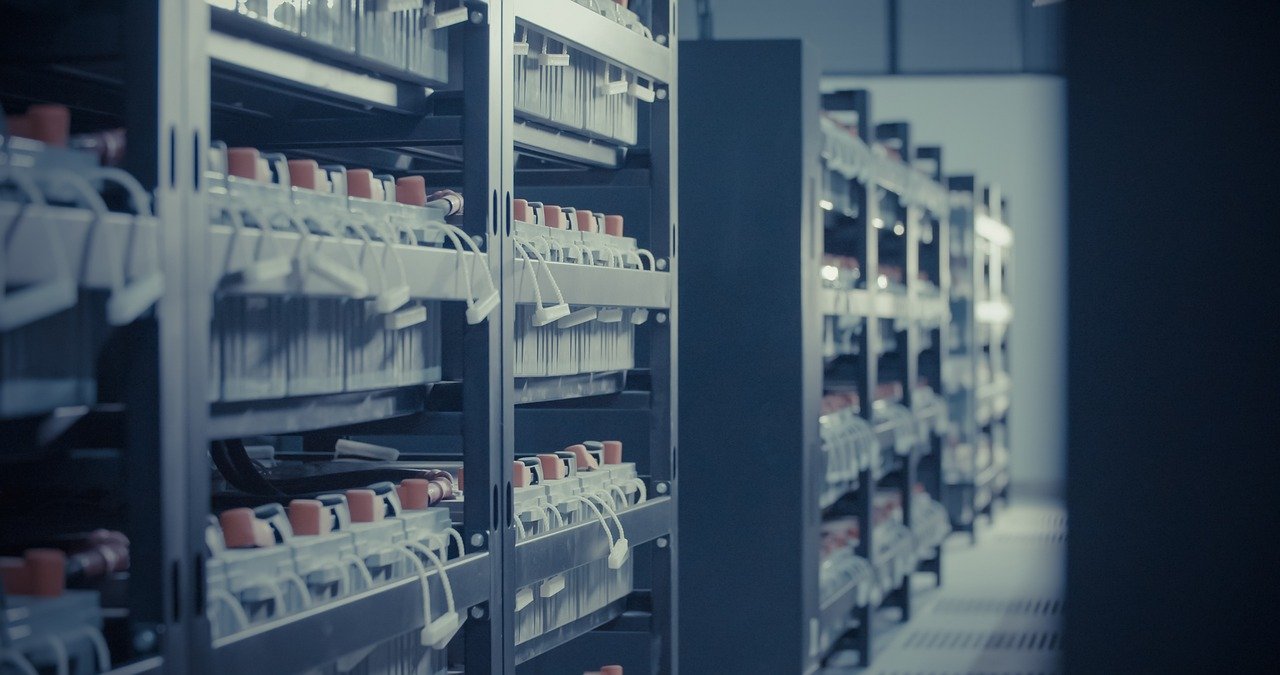
Understanding What a Data Room Is
A Data Room is a vital component for businesses involved in significant transactions, especially mergers and acquisitions. It serves as a secure online or physical space where sensitive documents are stored and shared. Unlike traditional file sharing methods, data rooms offer enhanced security features, allowing companies to control who accesses their information. They’re essential for due diligence processes, ensuring that all parties involved can review critical documents without the risk of unauthorized access.
The modern Data Room has evolved beyond simple document repositories. Nowadays, they incorporate advanced features such as document tracking, version control, and user permissions. This means that not only can you store documents, but you can also monitor who views them and when, making it easier to manage sensitive information.
Key Features of a Data Room
When evaluating a Data Room, it’s important to understand the key features that can significantly enhance your experience. Here are some of the standout features you should look for:
- Security Measures: Data encryption, two-factor authentication, and secure access controls are critical to protect confidential information.
- User-Friendly Interface: A clean, intuitive interface can make it easier for all users, regardless of technical skill, to navigate the platform.
- Document Management: Features like drag-and-drop uploads, advanced search capabilities, and customizable folders help in organizing documents efficiently.
- Collaboration Tools: Integrated chat features, commenting capabilities, and document sharing options facilitate smooth communication among stakeholders.
- Analytics and Reporting: The ability to track user activity and generate reports on document views can provide insights into engagement and interest during negotiations.
These features not only enhance security but also improve overall efficiency in managing sensitive information, making them indispensable for businesses engaged in complex transactions.
Benefits of Using a Data Room
The advantages of utilizing a Data Room are numerous and can significantly impact the success of your business transactions. Here are some key benefits:
- Enhanced Security: Data Rooms provide a higher level of security than standard file-sharing services, ensuring sensitive information remains confidential.
- Increased Efficiency: By centralizing documents and providing easy access to authorized users, Data Rooms streamline the due diligence process.
- Cost-Effective: While there’s an upfront cost, the efficiency gained can lead to significant savings in time and resources during transactions.
- Improved Collaboration: Stakeholders can communicate directly within the Data Room, reducing the need for back-and-forth emails and improving response times.
Investing in a quality Data Room can lead to smoother transactions and better outcomes, making it a wise choice for businesses in any industry. Master Networking Monitoring Software for Optimal Performance
Choosing the Right Data Room Provider
With numerous Data Room providers available, selecting the right one can feel daunting. Here’s a step-by-step approach to help you make an informed decision:
- Assess Your Needs: Determine what features are essential for your business based on the type of transactions you engage in.
- Research Providers: Look for providers with a good reputation, and read reviews or case studies to gauge their performance.
- Request Demos: Most providers offer demos; take advantage of this to evaluate usability and features firsthand.
- Compare Pricing: While cost shouldn’t be the only factor, it’s essential to find a provider that fits your budget without sacrificing quality.
- Check Customer Support: Reliable customer support can be crucial, especially during critical transactions.
By following these steps, you can find a Data Room provider that aligns with your business needs and enhances your transaction processes.
Common Use Cases for Data Rooms
Understanding the various use cases for a Data Room can help you appreciate its value. Here are a few scenarios where Data Rooms shine:

- Mergers and Acquisitions: Facilitate due diligence by providing potential buyers with access to necessary documents while ensuring security.
- Real Estate Transactions: Securely share property documents and financials among stakeholders involved in real estate deals.
- Initial Public Offerings (IPOs): Manage sensitive financial documents and regulatory filings with prospective investors and analysts.
- Legal Proceedings: Organize and share evidence or case files among legal teams while maintaining confidentiality.
These are just a few examples, but businesses in various sectors can leverage the power of a Data Room to streamline operations and enhance security.
Best Practices for Managing Your Data Room
To maximize the effectiveness of your Data Room, consider these best practices: Cloud Based Call Centre Software: Enhance Your Customer Service
- Regularly Update Content: Keep all documents current and organized. Outdated information can lead to confusion and inefficiencies.
- Implement User Permissions: Control access levels based on user roles to enhance security and confidentiality.
- Monitor Activity: Utilize analytics to track how documents are being accessed and ensure that everything is running smoothly.
- Provide Training: Ensure that all users are familiar with the platform and its features to maximize efficiency.
By following these best practices, you can ensure that your Data Room remains a valuable asset in your business operations.
FAQs
What is the difference between a Data Room and a regular file-sharing service?
A Data Room offers enhanced security features and better document management capabilities than standard file-sharing services, making it ideal for sensitive transactions.
How secure are Data Rooms?
Data Rooms typically employ advanced security measures, including encryption, multi-factor authentication, and strict access controls to protect sensitive information.
Are Data Rooms suitable for small businesses?
Yes, many Data Room providers offer scalable solutions that cater to small businesses, allowing them to manage sensitive documents effectively without breaking the bank.
Can I integrate a Data Room with other software?
Many Data Room providers offer integration options with other software solutions, enabling streamlined workflows and improved efficiency in managing documents.
How do I choose the right Data Room provider?
Consider factors like your specific needs, reputation of the provider, features offered, pricing, and customer support when selecting a Data Room provider.
About the Author