Understanding Virtual Reality (VR)
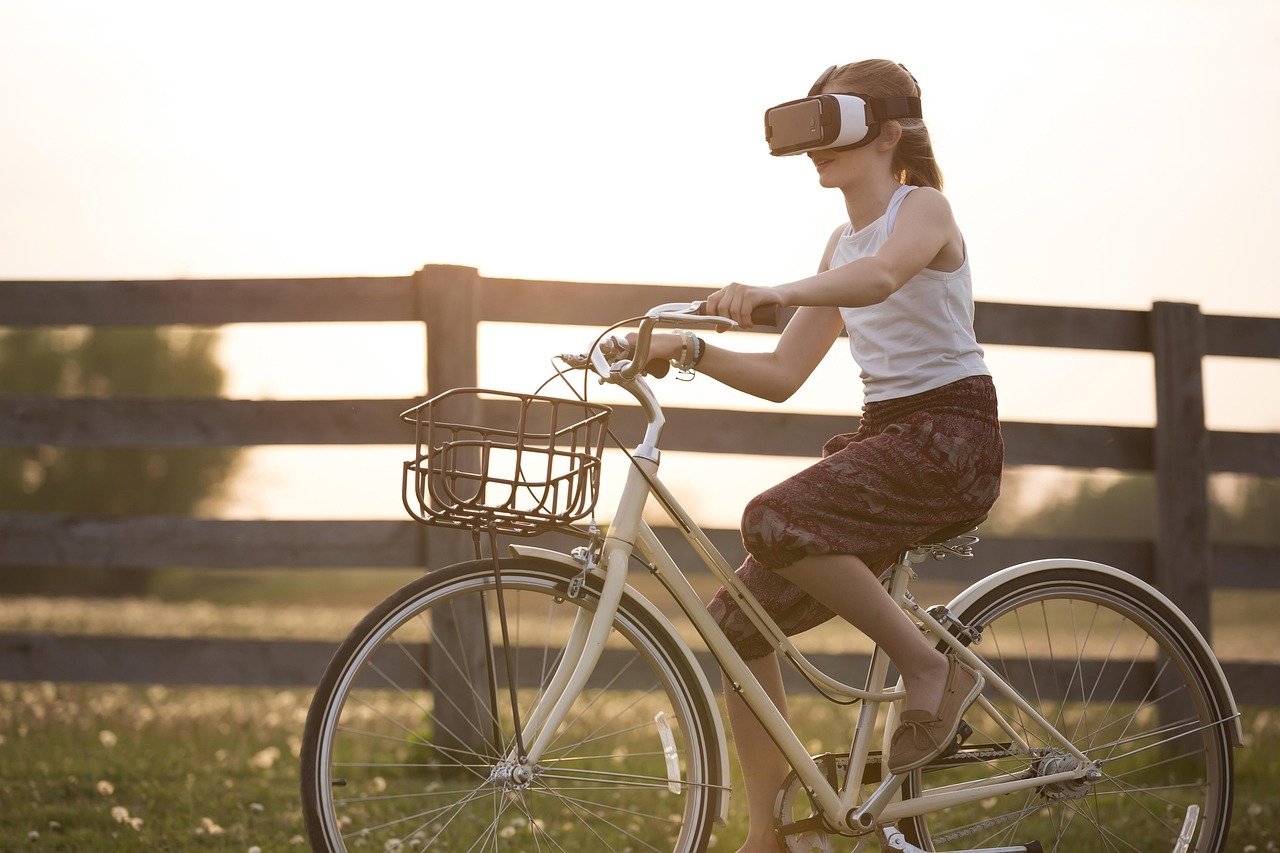
Virtual Reality (VR) is more than just a buzzword; it’s a transformative technology that immerses users in computer-generated environments. If you’ve ever donned a VR headset, you know the feeling of being transported to another world. VR allows you to interact with a 3D space in a way that feels incredibly real. But what exactly makes this technology tick? Essentially, VR combines advanced software and hardware to simulate real-life experiences. You engage with virtual elements through your movements and actions, creating a sense of presence that’s hard to achieve with any other medium.
The technology behind VR has evolved significantly over the years. Initially limited to niche applications and gaming, VR is now being embraced across various sectors, including education, healthcare, real estate, and entertainment. For instance, in education, students can explore ancient civilizations or conduct complex science experiments in a controlled virtual environment. This kind of immersive learning can enhance understanding and retention of information, proving VR’s versatility beyond just gaming.
The Components of Virtual Reality (VR)
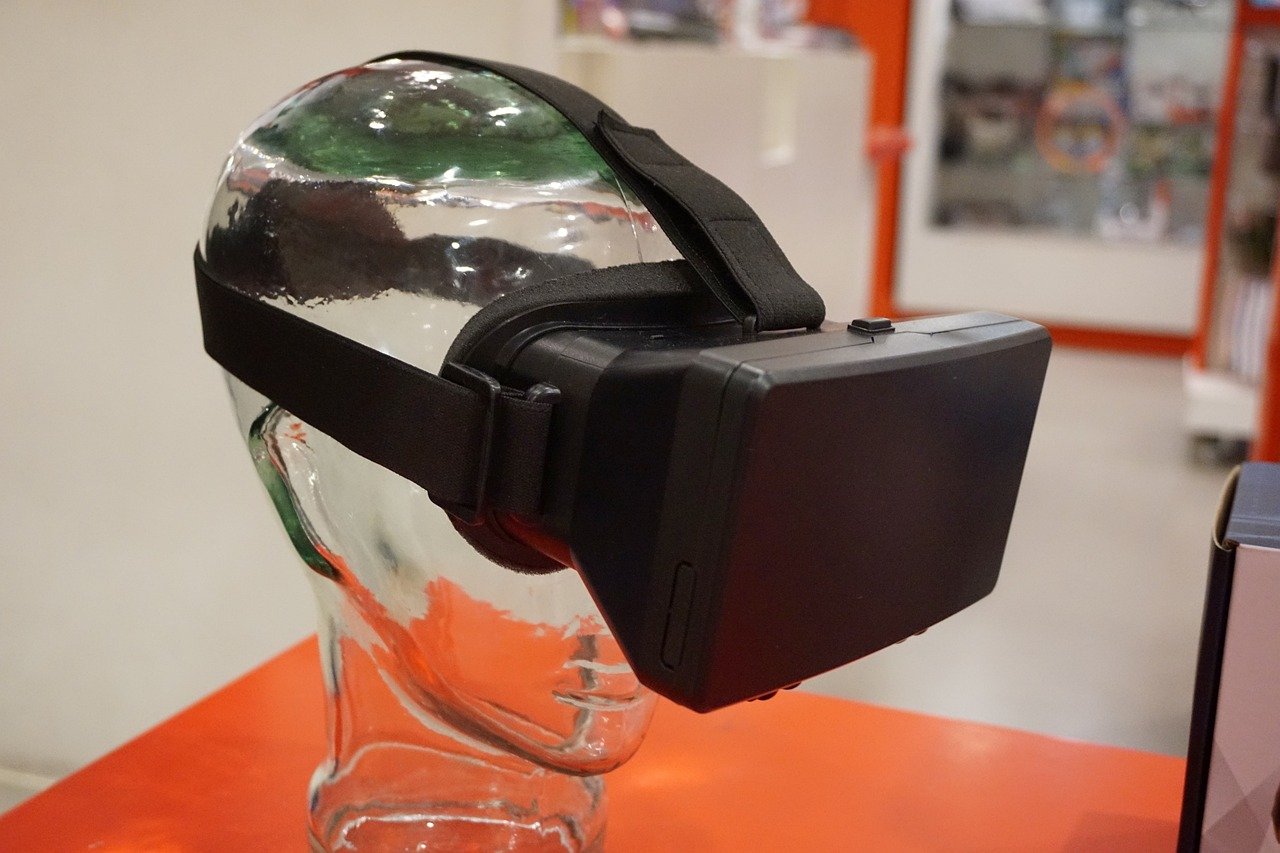
To fully grasp Virtual Reality (VR), it’s essential to understand its core components. At the heart of VR technology are the hardware and software that work together to create immersive experiences. The primary hardware includes VR headsets, sensors, and controllers. Headsets like the Oculus Quest and HTC Vive feature high-resolution displays and motion sensors that track your head movements. This tracking allows you to look around in the virtual environment, making the experience more engaging.
Alongside the hardware, the software plays a crucial role in shaping the VR experience. Developers use specialized VR software to create environments and simulations. These applications can range from games to therapeutic experiences, each designed to take full advantage of the immersive capabilities of VR. There are also platforms, such as Unity and Unreal Engine, that enable developers to create stunning VR content. Together, these components form the backbone of Virtual Reality (VR) technology.
Applications of Virtual Reality (VR)
As we explore the myriad applications of Virtual Reality (VR), the potential seems limitless. One of the most exciting areas is in the field of healthcare. Surgeons can use VR for training, honing their skills in a risk-free environment before operating on real patients. This kind of training can significantly reduce errors and improve patient outcomes. Additionally, VR is being used for pain management, helping patients manage their pain through distraction techniques in a controlled environment.
In education, Virtual Reality (VR) offers immersive learning experiences that traditional methods simply can’t match. Imagine a history class where students can visit ancient Rome or a biology lesson that allows them to explore the human body from the inside. This level of engagement can lead to deeper understanding and retention of material. Furthermore, industries like real estate and architecture are leveraging VR to provide virtual tours of properties, allowing potential buyers to explore homes from the comfort of their own sofa. Exploring Augmented Reality (AR): Transforming Our Experience
Challenges and Limitations of Virtual Reality (VR)
While the advancements in Virtual Reality (VR) are impressive, several challenges still need addressing. One major issue is the cost associated with high-quality VR hardware. Many consumers and businesses are deterred by the price of advanced VR headsets and the necessary equipment. As technology progresses, we can expect prices to decrease, but for now, affordability remains a barrier.
Another significant limitation is the issue of motion sickness. Some users experience discomfort or nausea when using VR for extended periods. This reaction can be attributed to the disconnection between visual input and physical motion. Developers are actively working on solutions, such as creating smoother frame rates and improving user interfaces, to mitigate this problem. Addressing these challenges is crucial for the widespread adoption of Virtual Reality (VR).
The Future of Virtual Reality (VR)
What does the future hold for Virtual Reality (VR)? As technology continues to advance, we can expect more sophisticated VR systems that are even more immersive and user-friendly. The integration of AI and machine learning will likely enhance the VR experience by making environments more interactive and responsive to user inputs. Imagine a VR world that learns your preferences and adapts accordingly, providing a unique experience every time you enter.
Moreover, the rise of 5G technology is set to revolutionize VR by enabling faster data transfer rates and lower latency. This improvement will make cloud-based VR applications more feasible, allowing users to access high-quality experiences without needing expensive hardware. As these technologies converge, the potential for Virtual Reality (VR) could expand into areas we haven’t even imagined yet.
How to Get Started with Virtual Reality (VR)
If you’re eager to jump into the world of Virtual Reality (VR), starting is easier than you might think. Here’s a simple guide to help you get going: Understanding Spatial Computing: The Future of Interaction
- Choose Your Hardware: Depending on your budget and interests, select a VR headset. Options range from standalone devices like the Oculus Quest to PC-tethered systems like the Valve Index.
- Explore Software: Look for VR apps or games that pique your interest. Platforms like Steam or the Oculus Store offer a wide variety of content.
- Set Up Your Space: Ensure you have enough room to move safely while using VR. Clear any obstacles to create a safe environment.
- Start Small: Begin with short sessions to get accustomed to the experience. As you grow more comfortable, you can extend your time in VR.
- Join a Community: Engage with other VR enthusiasts online or in person. Communities can provide support, tips, and suggestions on the best content to explore.
By following these steps, you’ll be well on your way to enjoying everything Virtual Reality (VR) has to offer.
FAQs
What are the best VR headsets available today?
Some of the top VR headsets currently include the Oculus Quest 2, Valve Index, and PlayStation VR. Each offers unique features catering to different needs and budgets.
Can VR be used for therapeutic purposes?
Yes, Virtual Reality (VR) is increasingly used in therapy, such as exposure therapy for phobias or PTSD, and for pain management in medical settings.
Is Virtual Reality (VR) safe for children?
While VR can be safe for children, it’s essential to supervise their use, limit screen time, and ensure they use age-appropriate content.
How expensive is it to get into VR?
The cost of entering the VR space can vary widely. Basic setups start around $300, while high-end systems can cost over $1,000 when factoring in necessary accessories.
Will VR replace traditional gaming?
While Virtual Reality (VR) offers unique experiences, it’s unlikely to replace traditional gaming entirely. Instead, it will likely coexist, providing diverse options for gamers.
