What is Mixed Reality (MR)?
Mixed Reality (MR) is an exciting intersection where the digital world meets the physical one, blending virtual elements with real-world environments. Unlike traditional Virtual Reality (VR), which immerses you completely in a virtual setting, or Augmented Reality (AR), which overlays digital images onto your view of the real world, MR allows for a more interactive experience where both worlds coexist simultaneously. This technology utilizes advanced sensors, cameras, and displays to create a hybrid experience that feels incredibly immersive and intuitive.
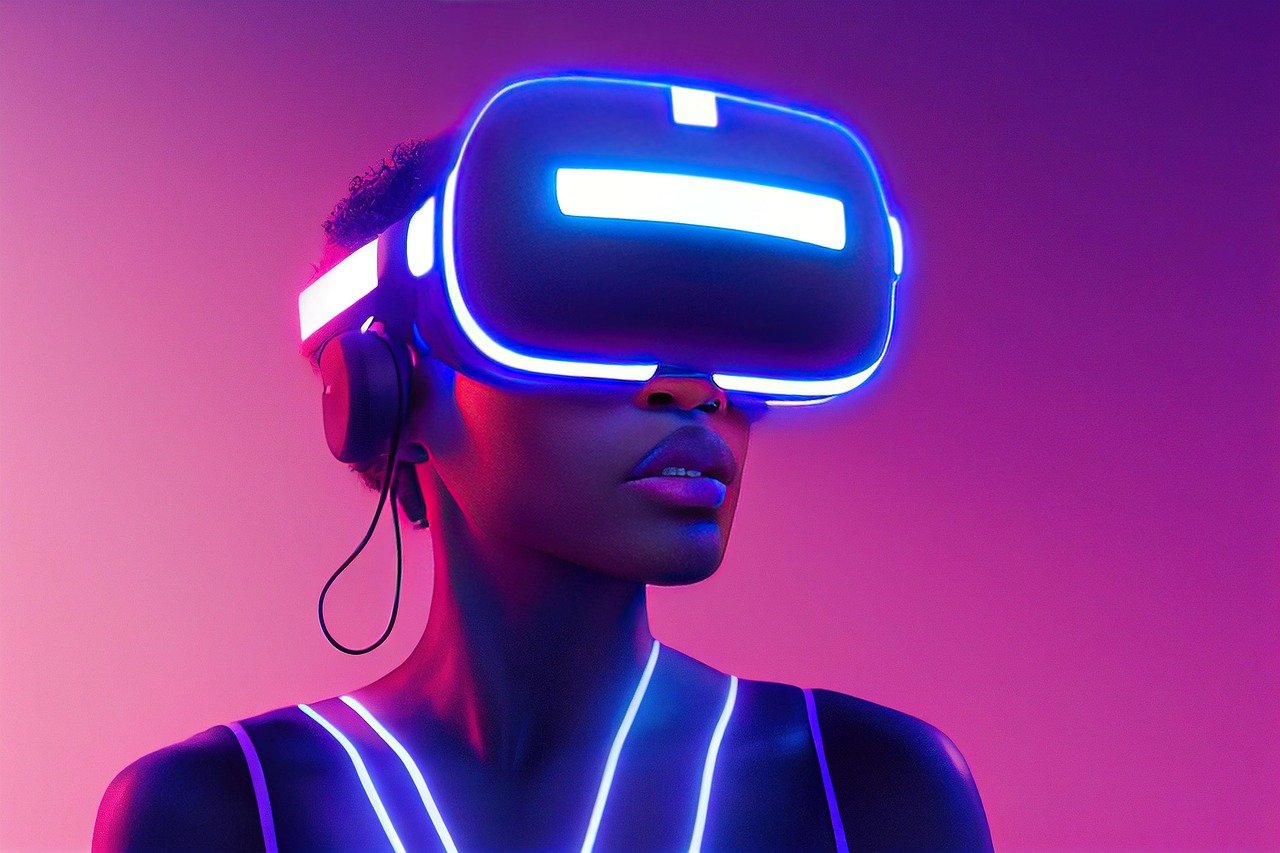
Imagine wearing a headset that enables you to see digital objects as if they existed in your living room. With MR, you can interact with these digital objects, moving them around, resizing them, and even combining them with real-world items. This capability opens up new possibilities for industries like gaming, education, healthcare, and architecture, revolutionizing how we perceive and interact with both the digital and physical realms.
How Mixed Reality (MR) Works
At its core, Mixed Reality (MR) relies on a combination of various technologies, including computer vision, depth tracking, and spatial mapping. These technologies allow devices to understand their surroundings and accurately place digital objects within that space. MR headsets, like Microsoft’s HoloLens, use advanced sensors to capture the environment, recognizing surfaces and obstacles, which helps create a more realistic interaction with the virtual content.
The MR experience begins with the device scanning the physical environment. It collects data about the spatial layout, which is then processed to create a digital overlay. This overlay is not just a static image; it reacts to your movements and interactions. For instance, if you reach out to grab a virtual object, the system can detect your hand’s position and adjust the object’s behavior accordingly. This real-time interaction makes the experience feel natural and engaging.
Applications of Mixed Reality (MR)
Mixed Reality (MR) is not just a futuristic concept; it’s already being applied across various fields, showcasing its potential to transform how we work, learn, and play. Here are some notable applications:
- Healthcare: MR is revolutionizing medical training and surgeries. Surgeons can visualize complex anatomy during operations through digital overlays, improving precision and outcomes.
- Education: In classrooms, MR can create immersive learning experiences. Students can interact with 3D models of historical artifacts or biological structures, enhancing their understanding.
- Gaming: The gaming industry is leveraging MR to create truly immersive experiences. Games that blend real-world environments with digital challenges can engage players like never before.
- Architecture: Architects use MR to visualize their designs in real environments. Clients can walk through virtual buildings before they’re constructed, providing valuable feedback early in the process.
The versatility of MR technology makes it applicable in numerous sectors, driving innovation and improving user engagement across the board.
Advantages of Mixed Reality (MR)
There are several key advantages that Mixed Reality (MR) offers over its counterparts, making it a compelling choice for both businesses and consumers. One major benefit is enhanced interactivity. MR allows users to engage with digital content in a more meaningful way, leading to better retention of information and a more enjoyable experience.
Another significant advantage is the potential for collaboration. MR can facilitate remote teamwork by allowing individuals in different locations to interact with the same virtual objects. This capability fosters better communication and understanding, making it easier to work together on projects.
Moreover, MR can lead to cost savings, particularly in training and development. By simulating real-world scenarios, companies can train employees without the need for expensive equipment or materials. This not only reduces costs but also minimizes risks associated with hands-on training.
Challenges Facing Mixed Reality (MR)
Despite its many advantages, Mixed Reality (MR) also faces several challenges that could hinder its widespread adoption. One of the primary concerns is the cost of MR hardware. High-quality headsets and devices can be expensive, making them less accessible for smaller organizations or individual users.
Additionally, there are technical challenges, such as ensuring accurate spatial mapping and reducing latency. If the virtual objects do not align properly with the real world, the experience can become disorienting or frustrating for users. Continuous advancements in technology are necessary to address these issues and improve user experience.
The Future of Mixed Reality (MR)
As technology continues to evolve, the future of Mixed Reality (MR) looks promising. We can expect to see improvements in hardware, making it more affordable and accessible. Future devices may also feature enhanced capabilities, such as improved field of view and more precise tracking systems.
Moreover, as industries recognize the potential of MR, we can anticipate a surge in applications across various sectors. From advanced training simulations to groundbreaking entertainment experiences, the possibilities are endless. The integration of MR into everyday life could redefine how we interact with technology and each other, making our experiences richer and more engaging.
FAQs
What is the difference between Mixed Reality (MR) and Augmented Reality (AR)?
Mixed Reality (MR) combines elements of both AR and VR. While AR overlays digital content onto the real world, MR allows for more interaction between the digital and physical environments, enabling users to manipulate and engage with digital objects as if they were real.
Can Mixed Reality (MR) be used for remote collaboration?
Absolutely! MR enhances remote collaboration by allowing multiple users to interact with the same virtual objects, regardless of their physical location. This feature fosters better teamwork and communication.
Is Mixed Reality (MR) suitable for educational purposes?
Yes, MR is increasingly being used in education. It offers immersive learning experiences that can help students understand complex concepts and retain information more effectively.
What industries are currently using Mixed Reality (MR)?
Industries such as healthcare, education, gaming, architecture, and manufacturing are actively using Mixed Reality (MR) to improve processes, enhance learning, and create engaging experiences.
Will Mixed Reality (MR) become mainstream?
While it’s still in the early stages, the growing interest and investment in MR technology suggest it could become mainstream in various applications, transforming how we interact with the digital world.
