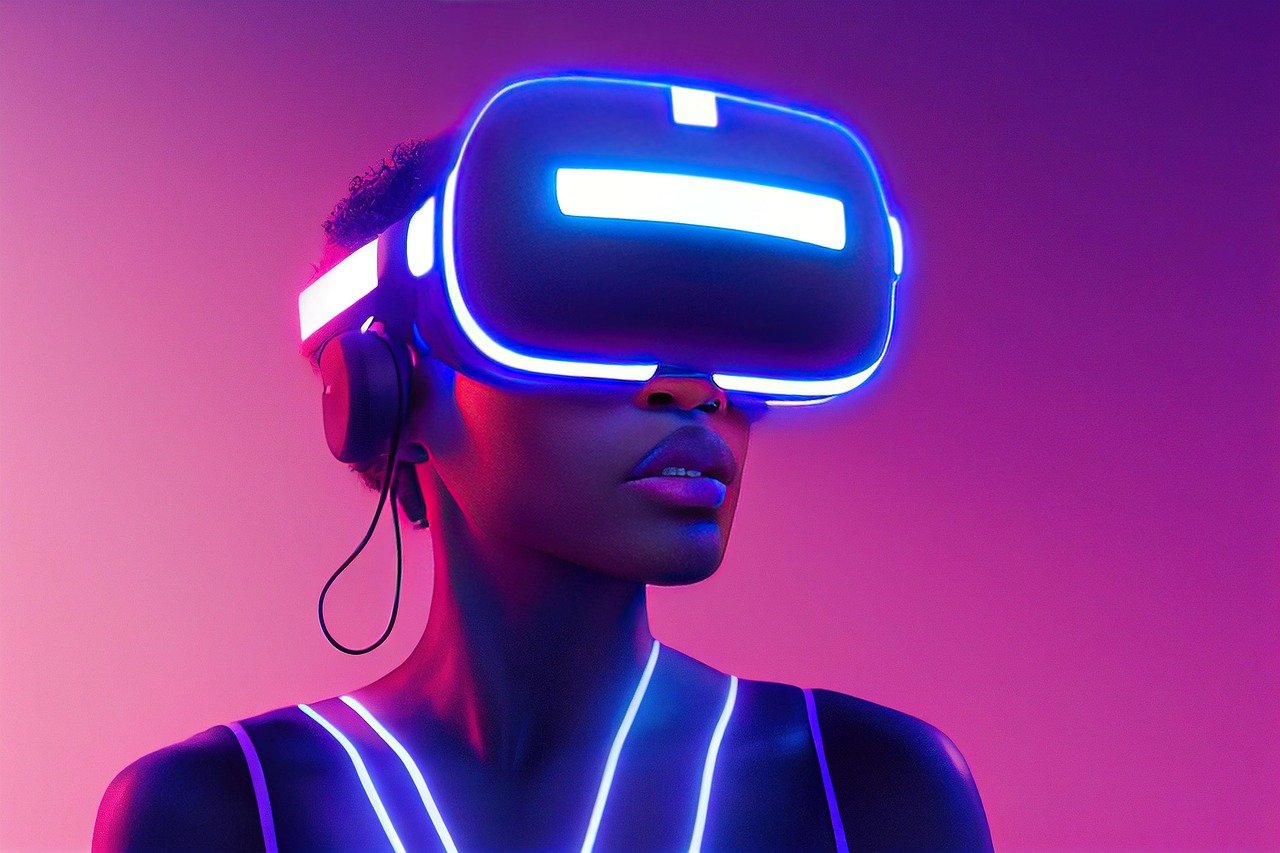
What is Augmented Reality (AR)?
Augmented Reality (AR) is a technology that overlays digital information onto the real world, enhancing your perception of reality. Imagine walking through a museum and seeing a digital plaque next to an artwork that provides detailed information about the artist and the piece. That’s AR in action! With AR, you’re not just looking at the world; you’re interacting with it in ways that were once only possible in science fiction.
This technology works by using devices like smartphones, tablets, or AR glasses to project computer-generated images or information onto your view of the physical world. Apps such as Pokémon GO have popularized AR by allowing users to see virtual creatures in their actual surroundings. The potential applications of Augmented Reality (AR) span various industries, making it a game-changing tool for education, healthcare, and entertainment.
How Does Augmented Reality (AR) Work?
Understanding how Augmented Reality (AR) functions involves a look at the technology behind it. At its core, AR technology uses a combination of hardware and software. The hardware typically includes a camera, sensors, and a processor. The software interprets the data captured by the hardware and superimposes digital information onto the physical environment.
When you point your device’s camera at a specific object or location, the AR software recognizes it and activates the corresponding digital content. This could be an image, video, or interactive element. The use of GPS, accelerometers, and digital compass also helps to enhance the accuracy and responsiveness of AR experiences. For example, in retail, AR can help customers visualize how furniture would look in their homes by placing a virtual product within their living space.
Applications of Augmented Reality (AR)
Augmented Reality (AR) is making waves across various sectors. Here are some notable applications:
- Retail: Brands like IKEA use AR to allow customers to visualize how products will fit into their homes before making a purchase.
- Education: AR creates immersive learning experiences. For instance, students can explore the human body in 3D, making biology much more engaging.
- Healthcare: Surgeons can use AR to overlay critical information during operations, improving precision and outcomes.
- Gaming: Games like Pokémon GO combine physical and digital worlds, providing an interactive experience that’s both fun and engaging.
- Real Estate: Virtual tours enhanced with AR give potential buyers a more interactive way to explore properties.
These applications show how Augmented Reality (AR) isn’t just a novelty; it’s an essential tool for innovation in many fields. Understanding Spatial Computing: The Future of Interaction
The Future of Augmented Reality (AR)
Looking ahead, the future of Augmented Reality (AR) appears bright. With advancements in technology, we can expect AR to become more integrated into our daily lives. The advent of 5G technology, for instance, will enhance the speed and performance of AR applications, allowing for more complex and data-rich experiences.
Moreover, as AR hardware becomes more affordable and accessible, smaller businesses will begin to adopt this technology, creating a wider range of applications. The integration of AR into social media platforms, like Instagram and Snapchat, is already leading the way in how we communicate and share content.
Challenges in Implementing Augmented Reality (AR)
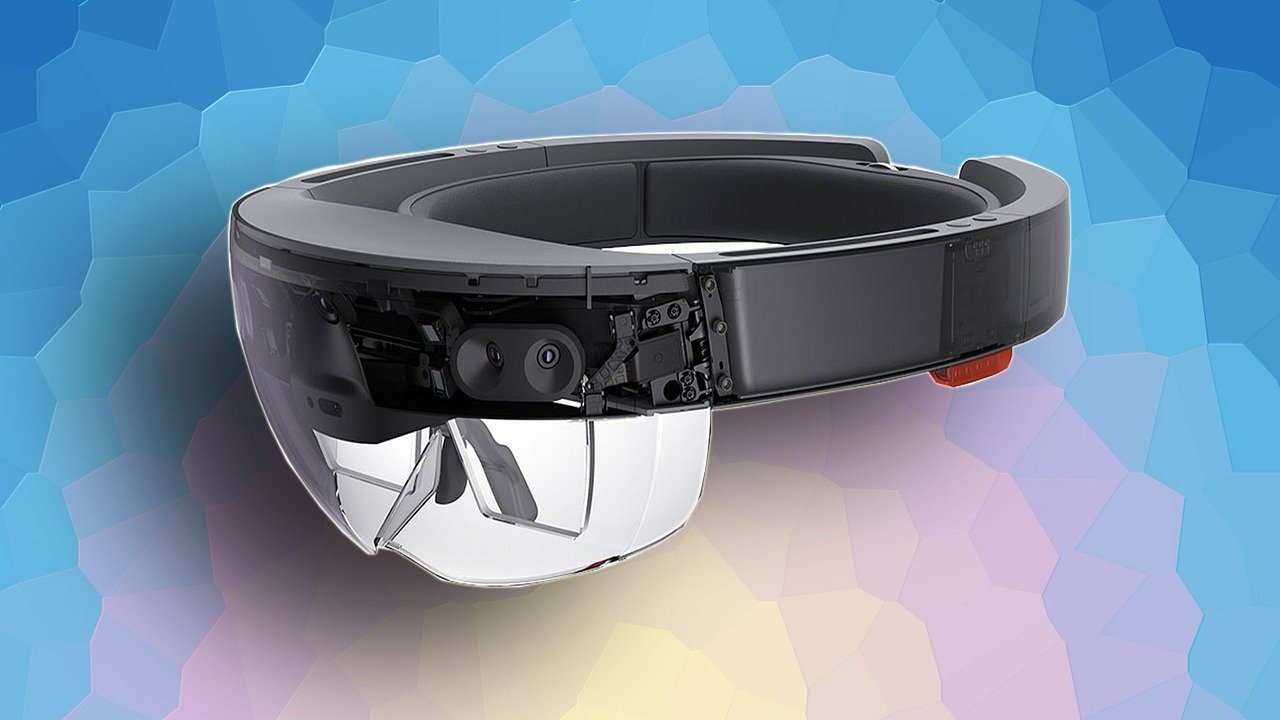
Despite its potential, Augmented Reality (AR) faces several challenges that could hinder its widespread adoption. One significant hurdle is the need for high-quality hardware. While many people own smartphones capable of running AR apps, not all devices are equipped with the necessary sensors and processing power for a smooth experience.
Another challenge is privacy concerns. AR applications often require access to cameras and location data, raising potential issues regarding users’ privacy and data security. Developers must address these concerns to build trust and ensure user safety. Additionally, the learning curve associated with new technology can be a barrier for some users, particularly older generations who may not be as tech-savvy.
Getting Started with Augmented Reality (AR)
If you’re interested in exploring Augmented Reality (AR), there are several ways to get started. Here’s a simple step-by-step guide to help you dive into this exciting technology: Mastering Cloud Cost Optimization (FinOps) Strategies
- Choose Your Device: Most smartphones and tablets support basic AR applications. Ensure your device is compatible.
- Download AR Apps: Begin with popular AR apps like Pokémon GO or IKEA Place to experience AR firsthand.
- Explore AR Content: Look for educational apps that offer AR experiences, like anatomy learning tools or interactive history lessons.
- Join AR Communities: Engage with online forums or local meetups to connect with others interested in AR.
- Experiment with AR Development: If you’re tech-savvy, consider learning how to develop your own AR applications using platforms like Unity or ARKit.
By following these steps, you’ll not only gain a better understanding of Augmented Reality (AR) but also discover how you can apply it to your interests or profession.
FAQs
What’s the difference between AR and VR?
Augmented Reality (AR) overlays digital content onto the real world, while Virtual Reality (VR) immerses you in a completely virtual environment. AR enhances your surroundings, whereas VR creates a new one.
Can I use Augmented Reality (AR) without special glasses?
Yes, you can access AR through devices like smartphones and tablets without needing specialized glasses. Many AR applications are designed for these devices.
Is Augmented Reality (AR) safe to use?
Generally, Augmented Reality (AR) is safe when used responsibly. However, be aware of your surroundings and privacy settings, especially when using apps that access your location or camera.
What industries benefit most from Augmented Reality (AR)?
Industries like retail, education, healthcare, and real estate are among those that benefit the most from Augmented Reality (AR), enhancing customer engagement and improving operational efficiency.
How can businesses implement Augmented Reality (AR)?
Businesses can implement Augmented Reality (AR) by developing custom applications or using existing AR platforms to enhance customer experiences, streamline processes, or provide training.